

Global presence with more than 30 countries served

Our innovation has and will continue to change your industry

100% of customers satisfied - your satisfaction is our first priority

More than 20 years of combined expertise in comminution
Company established
Company patents
Production area(m²)
Employees
Annual Sales




















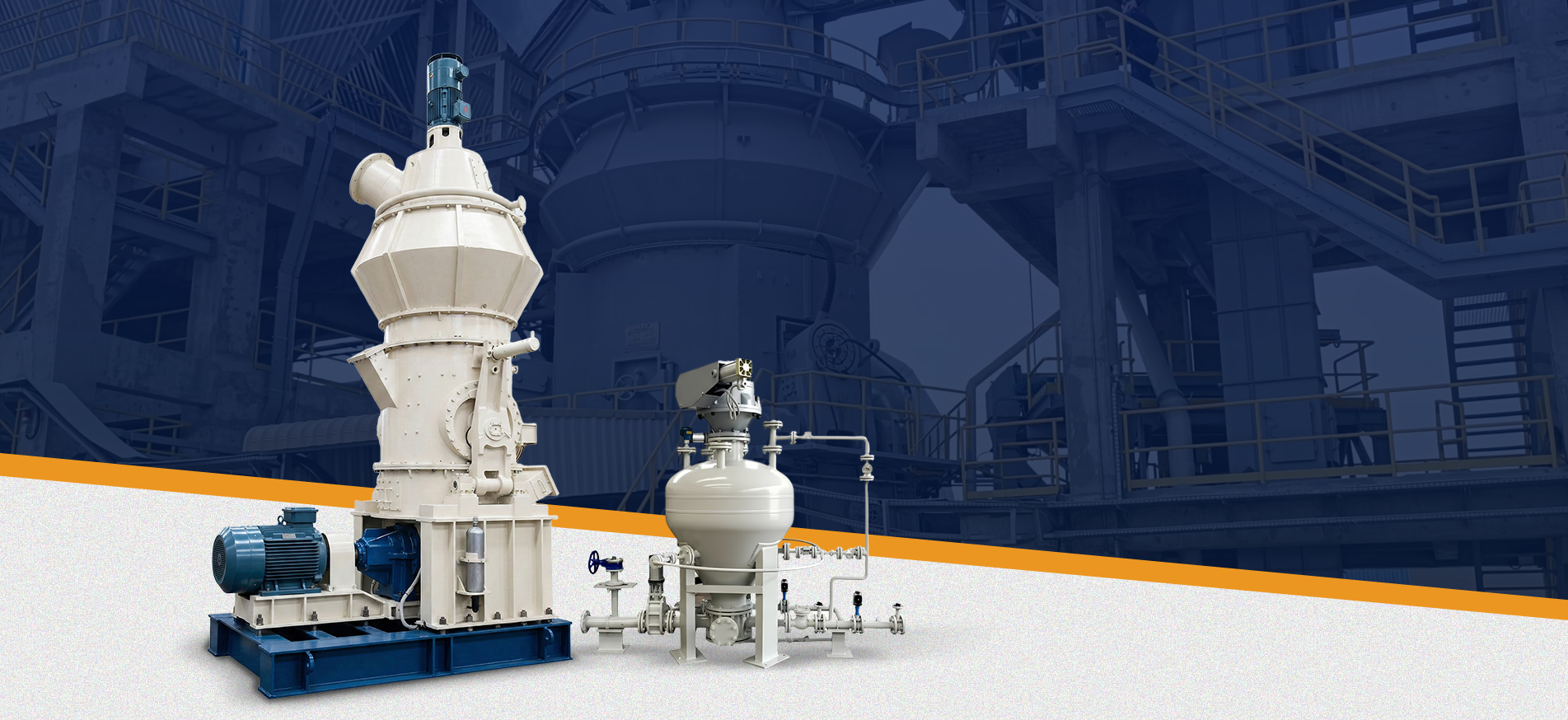
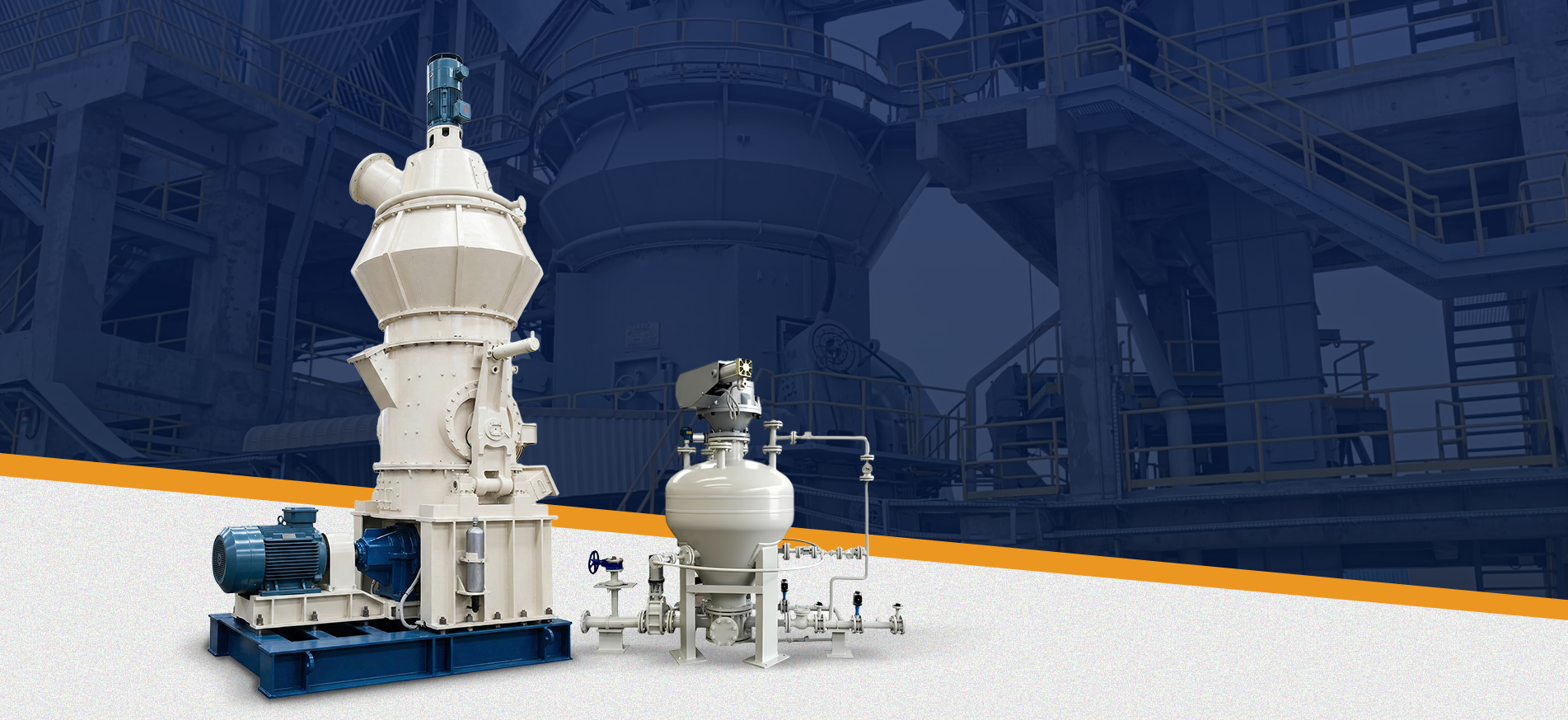
Vertical roller mill is a highly efficient grinding system widely used in cement production, slag processing, mining, and industrial mineral processing. This mill type integrates drying, grinding, classifying, and material conveying into one compact unit, with a built-in classifier ensuring precise product fineness control.
Common mill types include cement vertical mill, slag vertical mill, various non-metallic ore vertical mills, metal ore vertical mill, etc., each designed for specific material characteristics. The dynamic separator (classifier) inside the VRM enables sharp particle size distribution, making it an ideal choice for producing fine powders. By combining grinding and classification in a single machine, the vertical roller mill reduces energy consumption and improves overall plant efficiency.
Learn More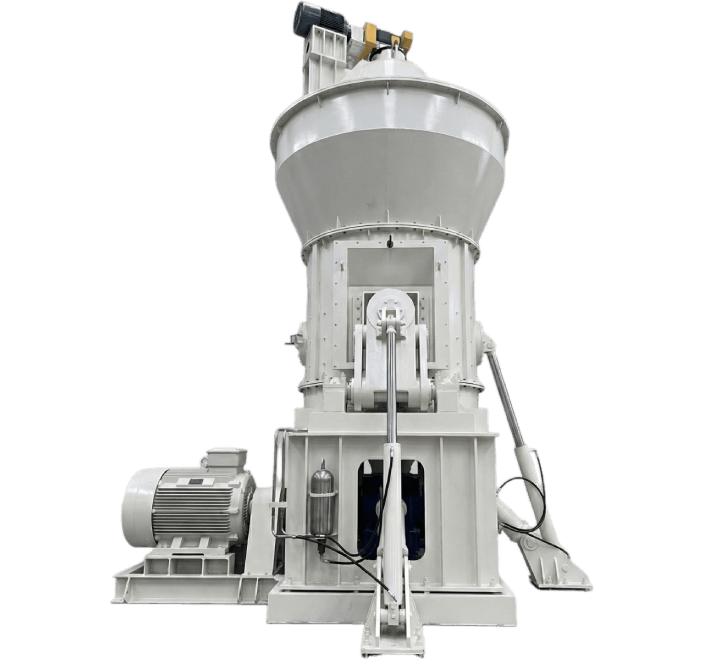
Pneumatic conveying system is a closed industrial bulk material handling solution that transports powders and granules through pipelines using controlled airflow and pressure differential. The pump volume is determined based on the material properties, particle size, conveying distance, and conveying capacity—meaning each system is individually engineered—to minimize conveying energy consumption while meeting process requirements.
It includes mainstream classifications such as dilute phase conveying, dense phase conveying, and positive pressure conveying, accommodating various long-distance, short-distance, and flexible pipeline layouts.
Widely used in cement, chemical, mineral, and powder processing industries, it is an ideal alternative to traditional mechanical conveying equipment.
Learn More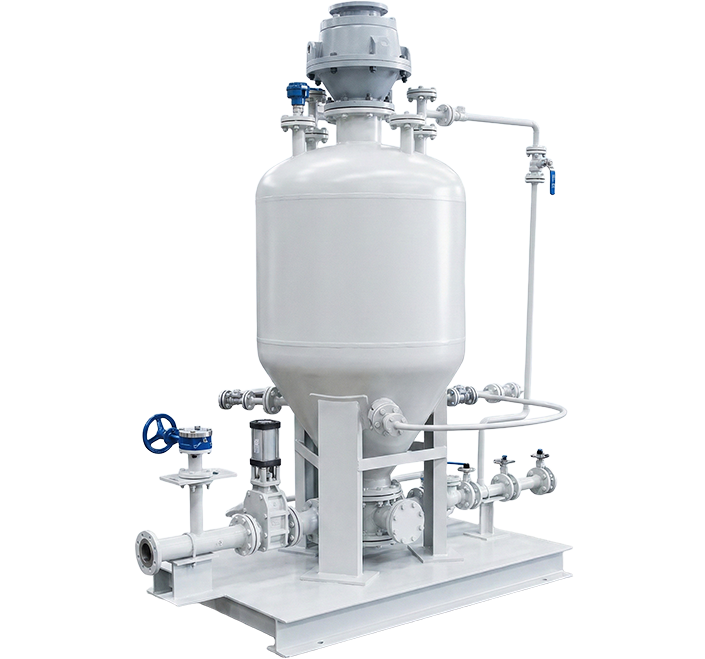
In terms of grinding systems, different physical and chemical characteristics such as moisture content, grindability, product fineness, and safety are targeted for various industries and types of materials,it combines drying, grinding, powder selection, and conveying into one complete production line for efficient fine powder grinding.
This vertical roller mill system is widely applied in cement raw meal grinding, coal pulverizing and non-metallic mineral processing industries.
With energy-saving performance and stable particle size control, it becomes the mainstream solution for large-scale industrial powder making projects.
Learn More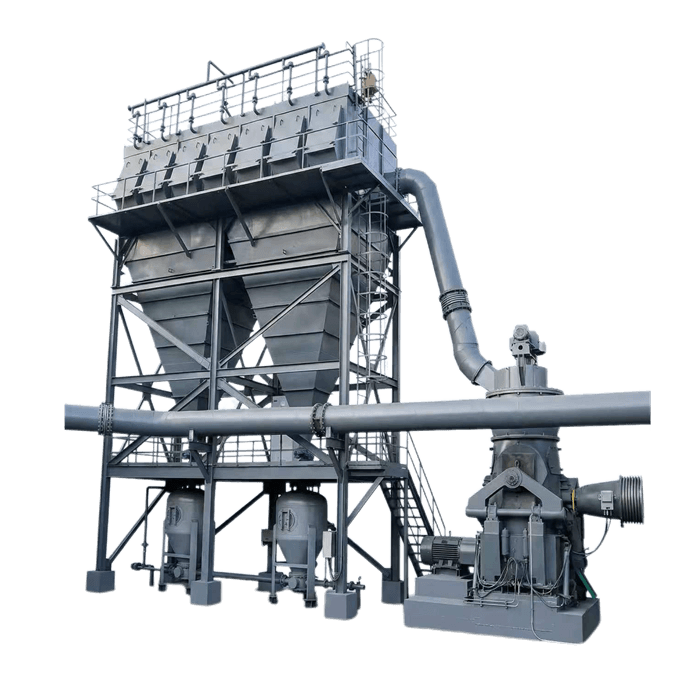
Building Materials Industry
Power and Energy Industry
Non-metallic Mineral Industry
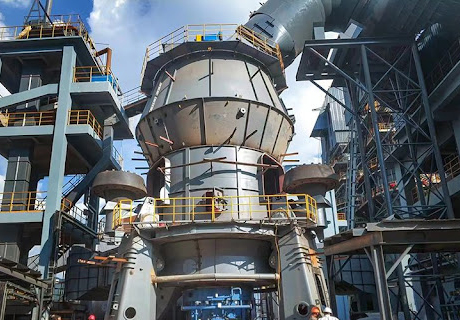
Vertical Roller Mill Working Principle: The Complete Guide to Efficient Grinding
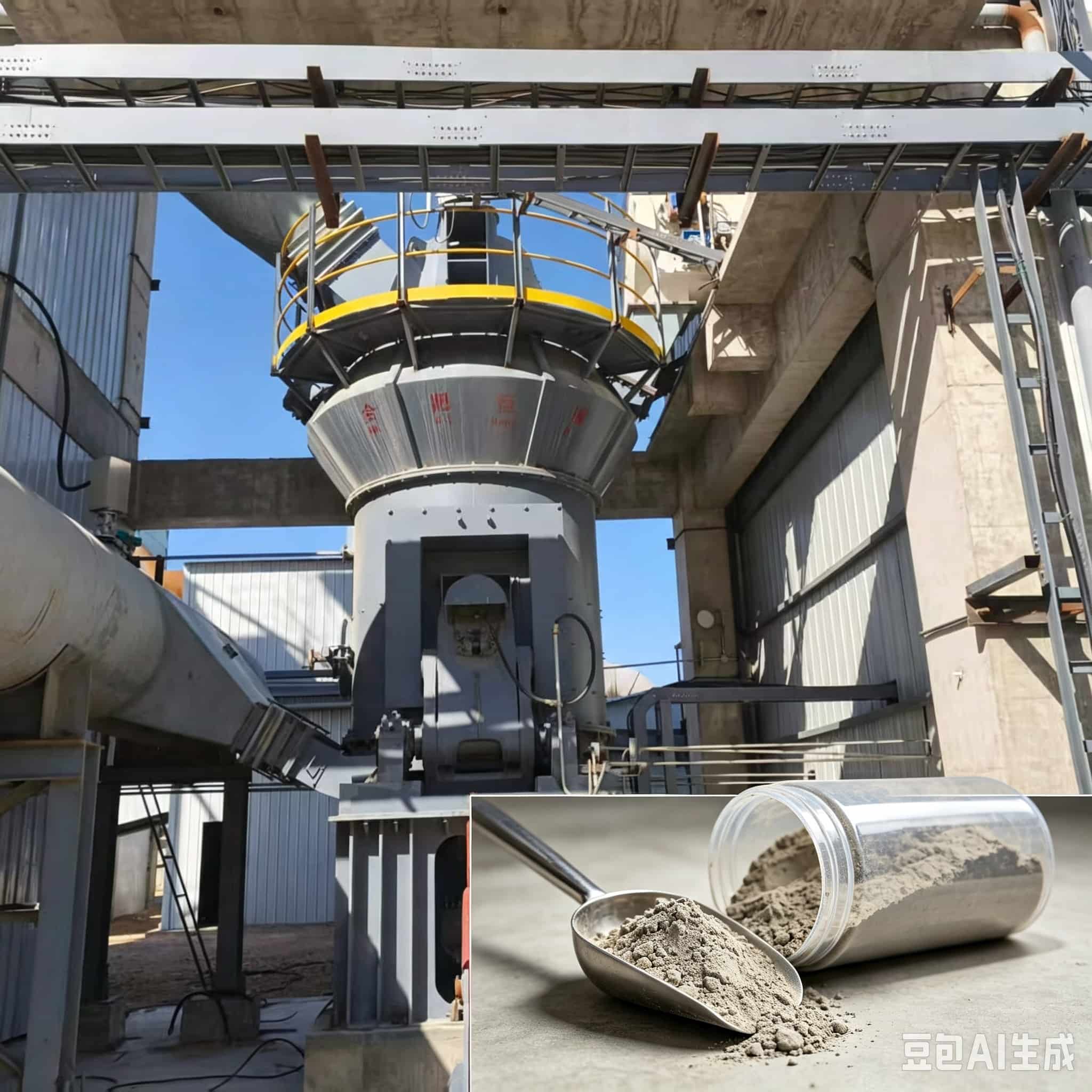
Pozzolan Vertical Roller Mill: The Key to Efficient Volcanic Ash Grinding
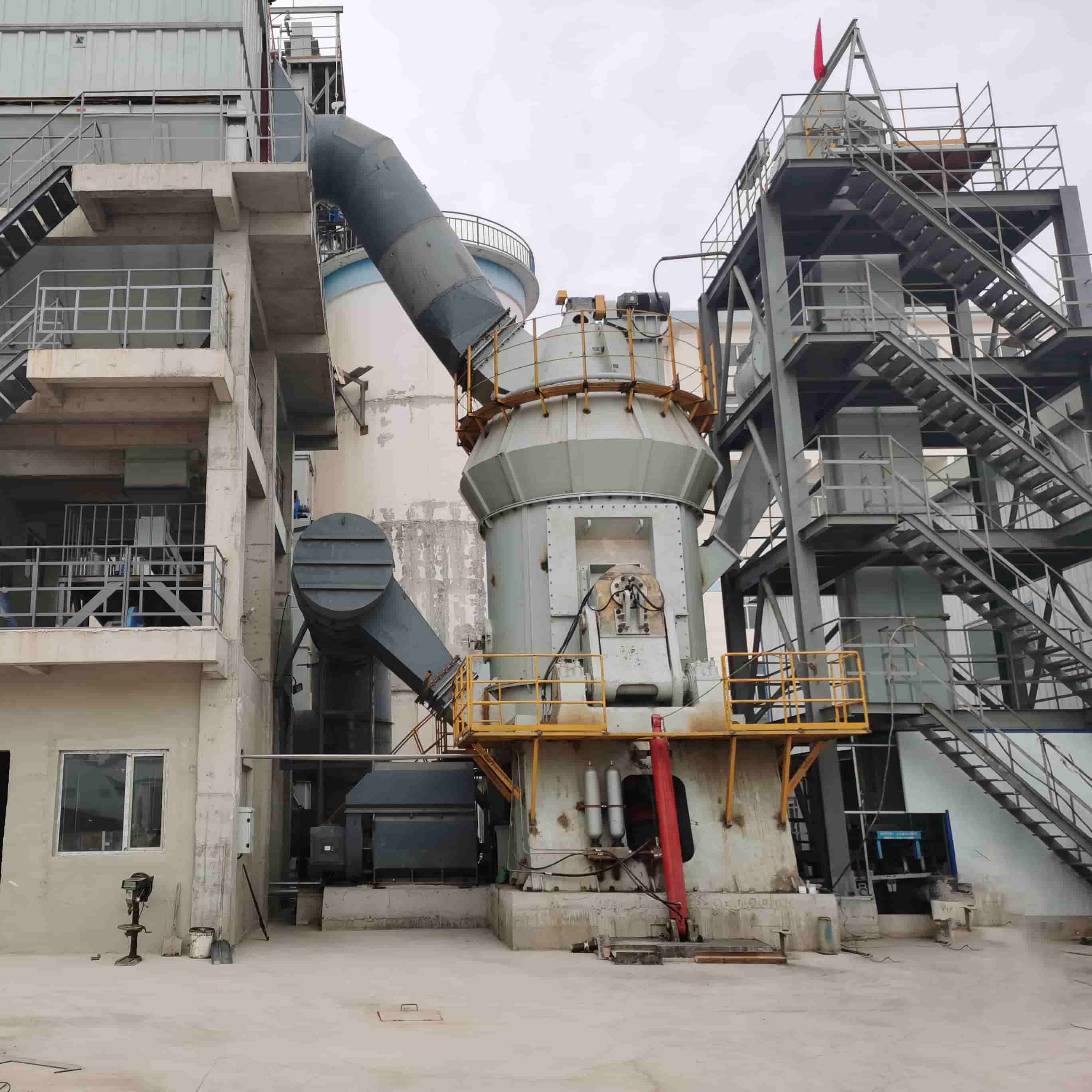
Maximizing Limestone Grinding Efficiency: The Vertical Roller Mill Advantage
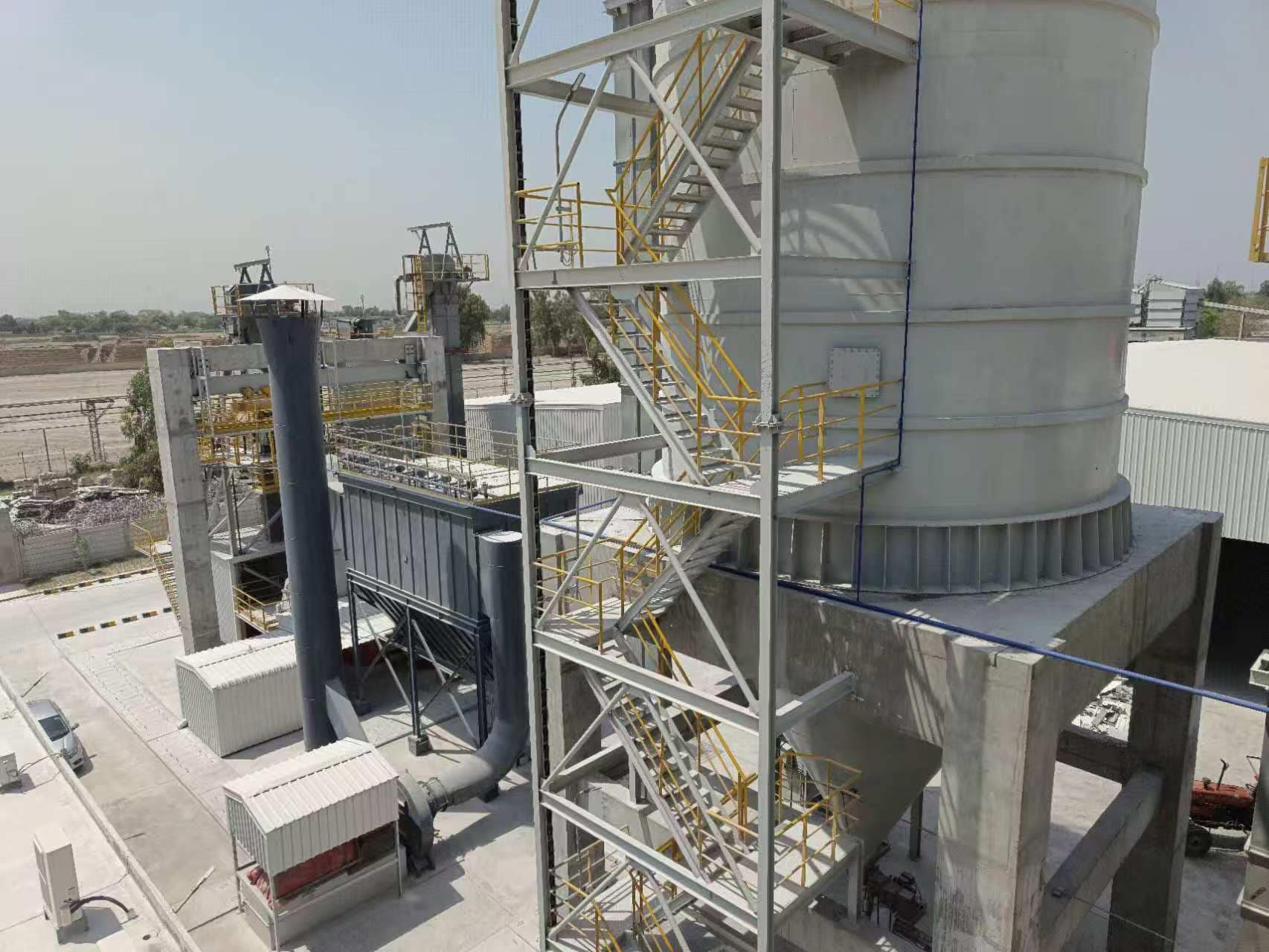
Why Vertical Roller Mill Is the Best Choice for Gypsum Powder Grinding
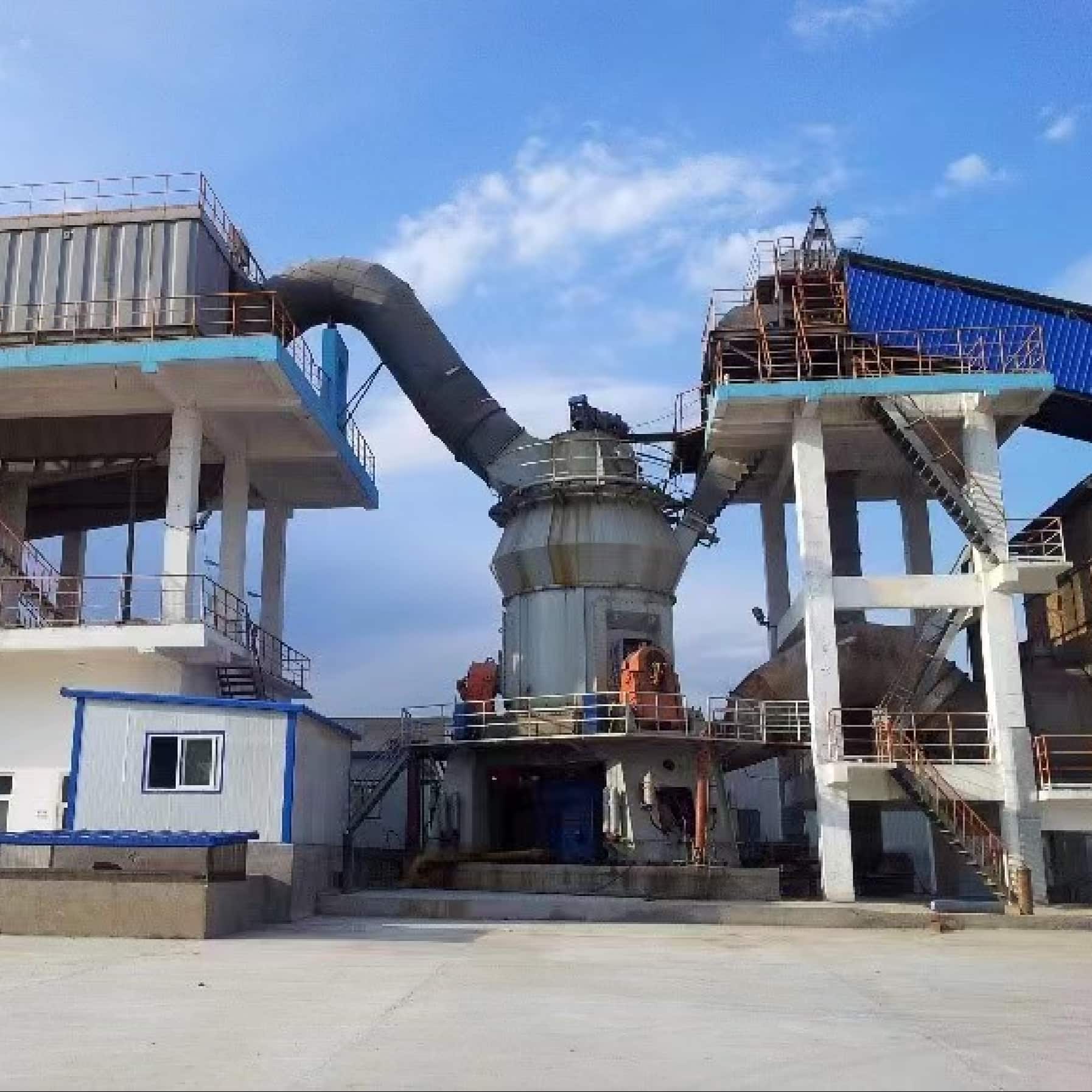
The Green Revolution in Construction: Why Slag Vertical Roller Mills Are the Future of Sustainable Building
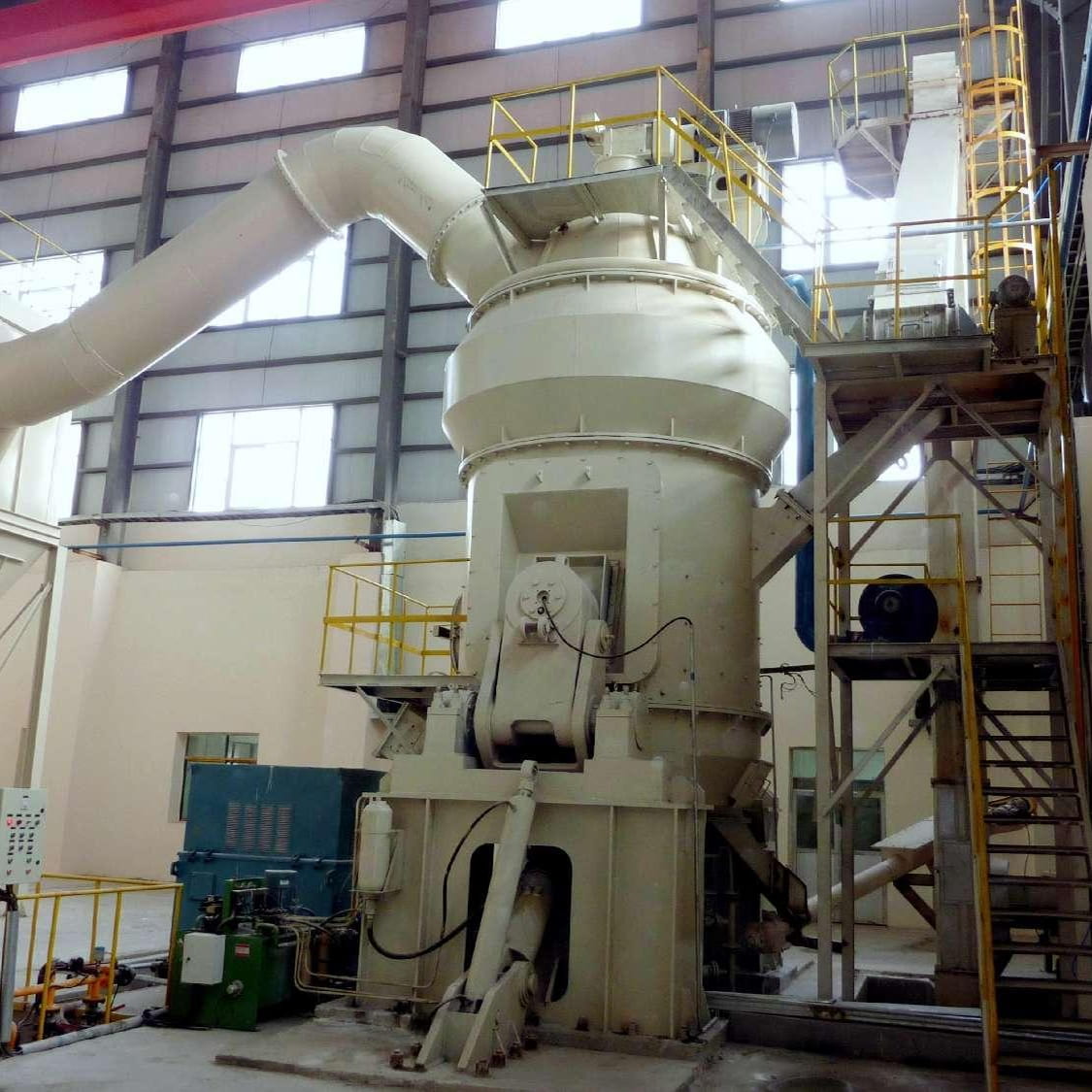
Vertical Roller Mill: Ideal FGD Limestone Grinding Mill for Power Plant FGD Desulfurization
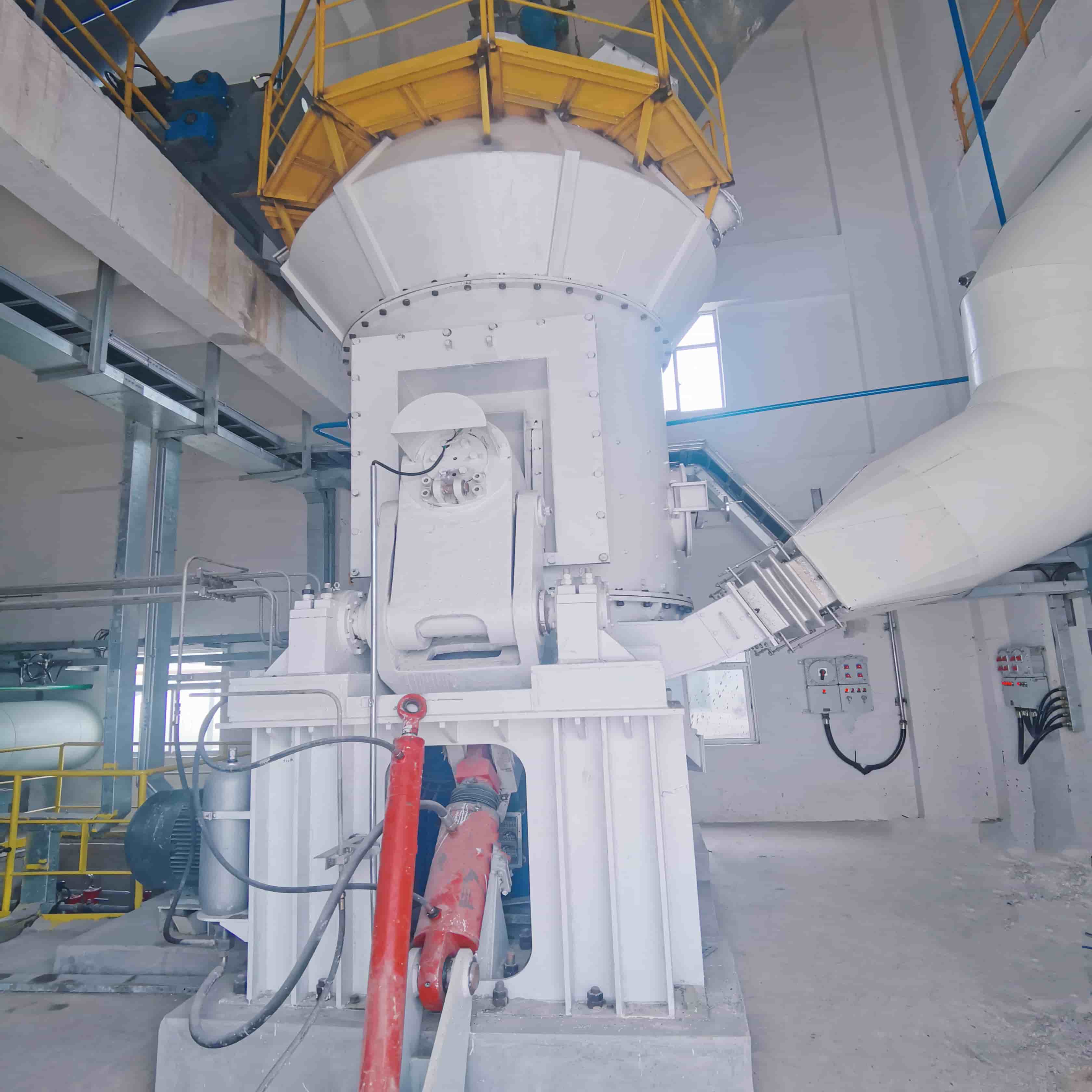
Bentonite Vertical Roller Mill: The Backbone of High-Performance Drilling Mud and Premium Cat Litter
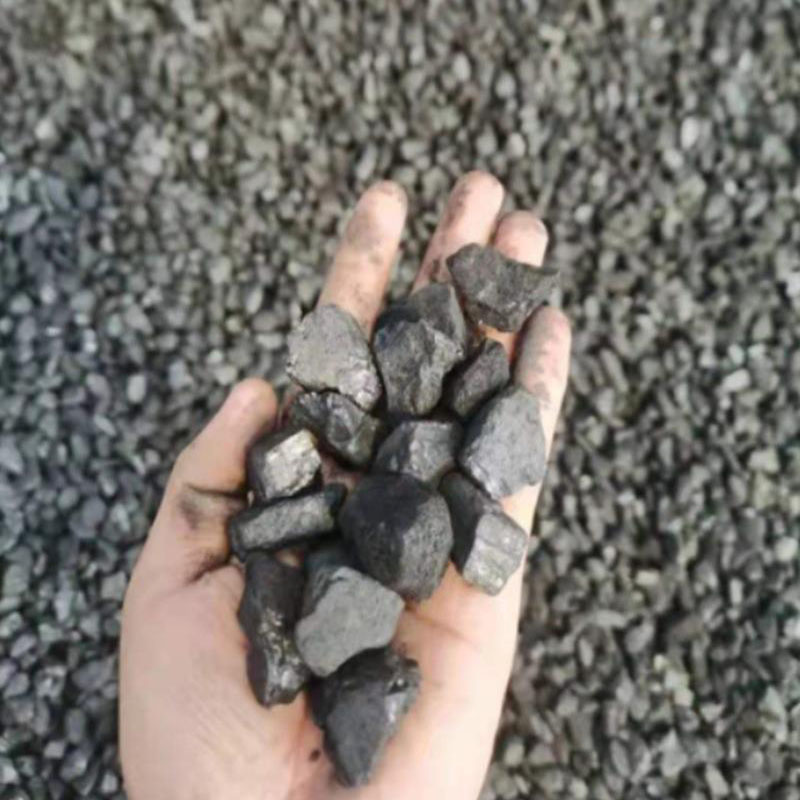
15–40 t/h Medium Vertical Coal Mill: A Reliable Choice for Pulverized Coal Preparation
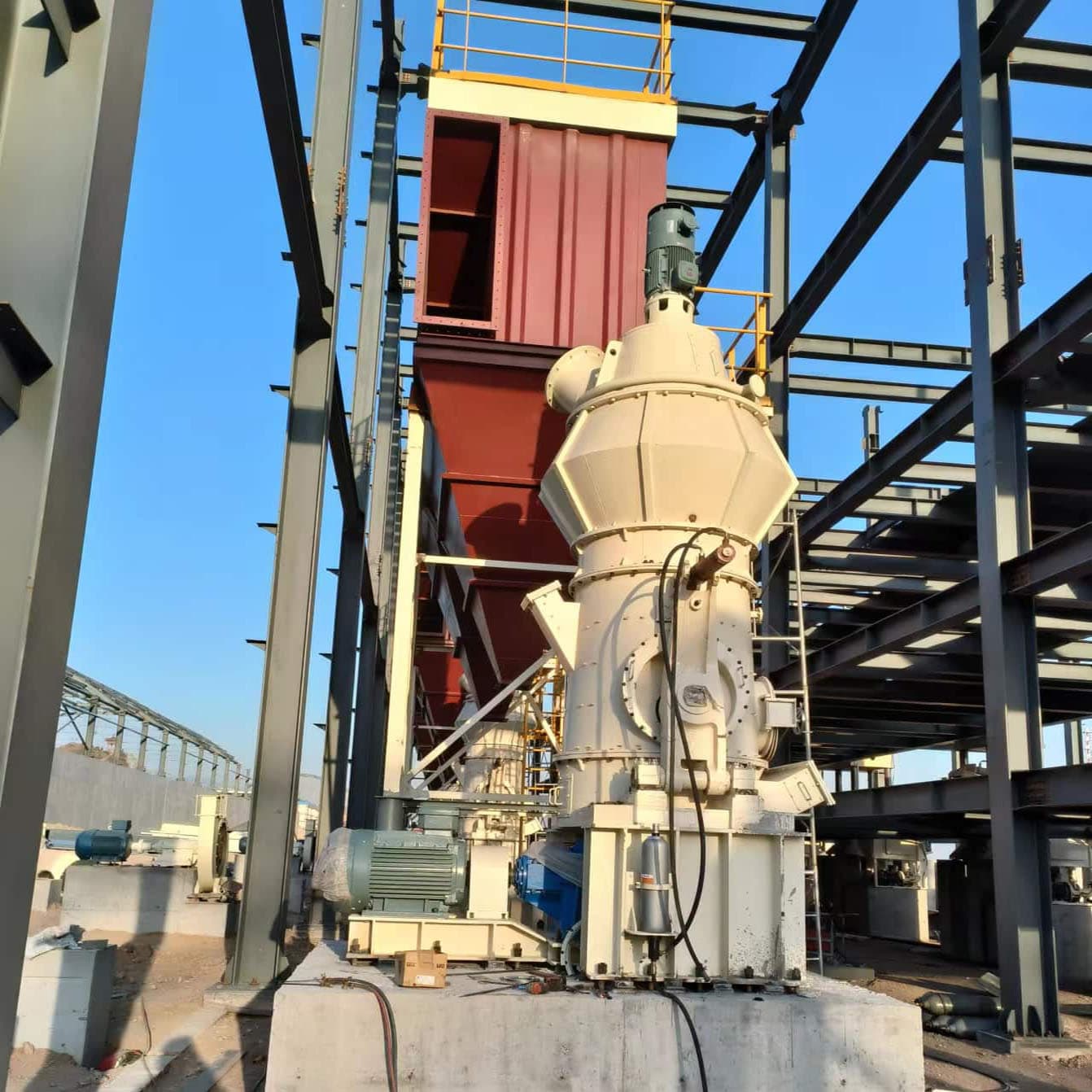
High Volatile Coal Pulverizing System for Activated Carbon Production Line
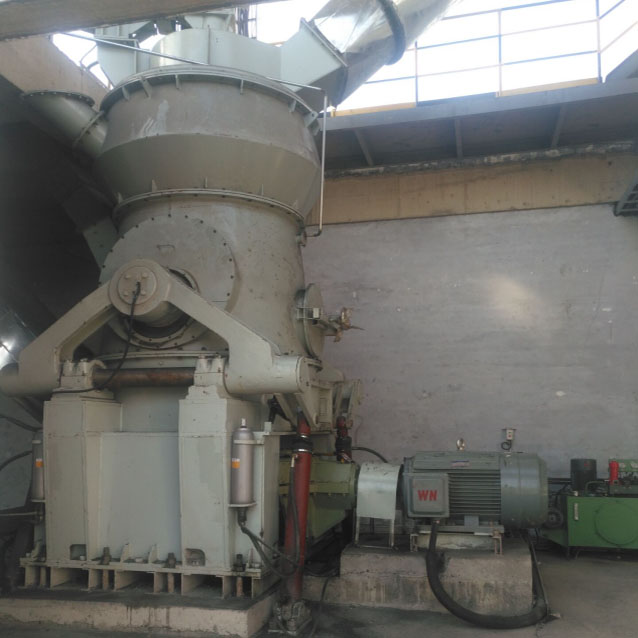
600 t/d Lime Rotary Kiln Production Line – Precision Calcination Solution
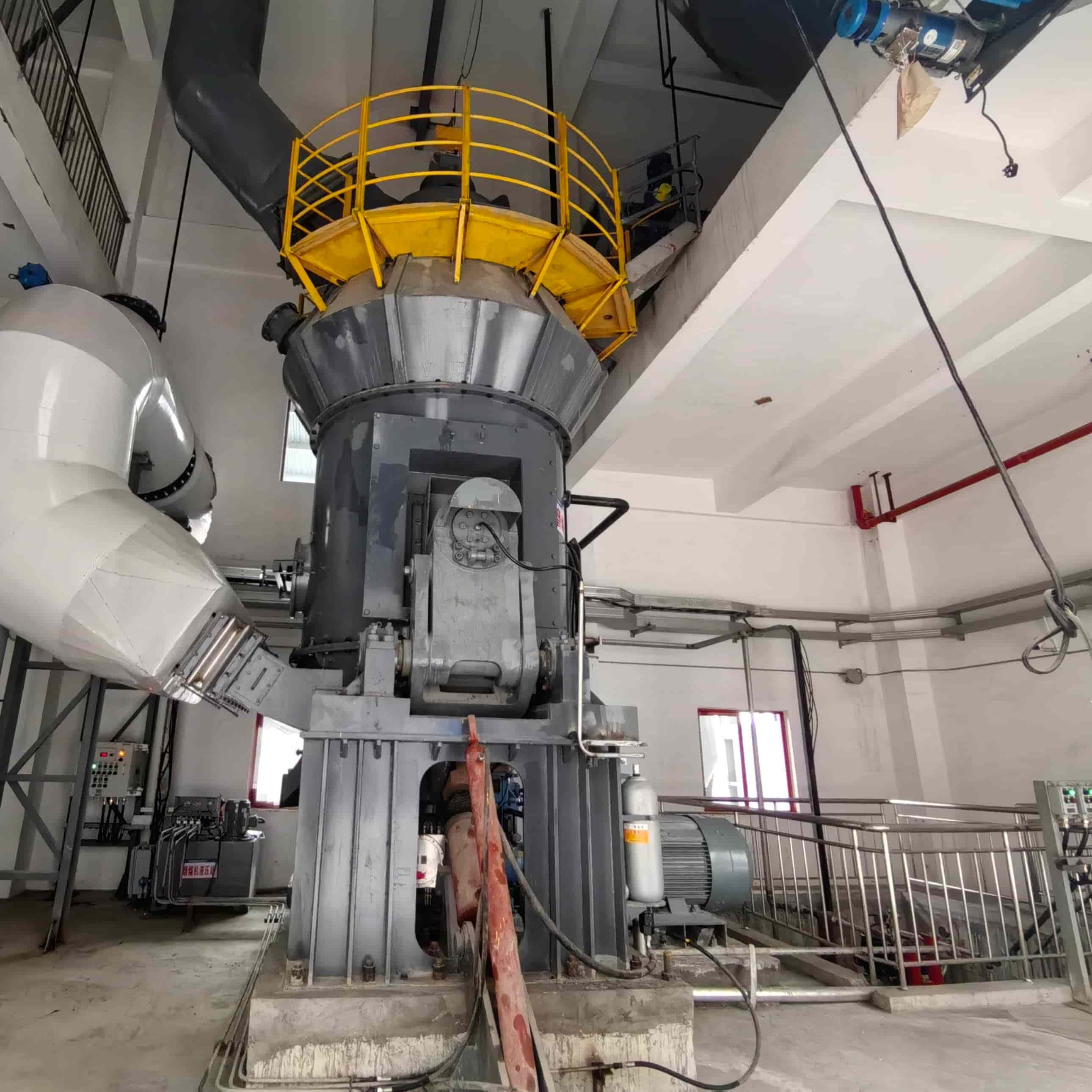
Coal Powder Preparation System
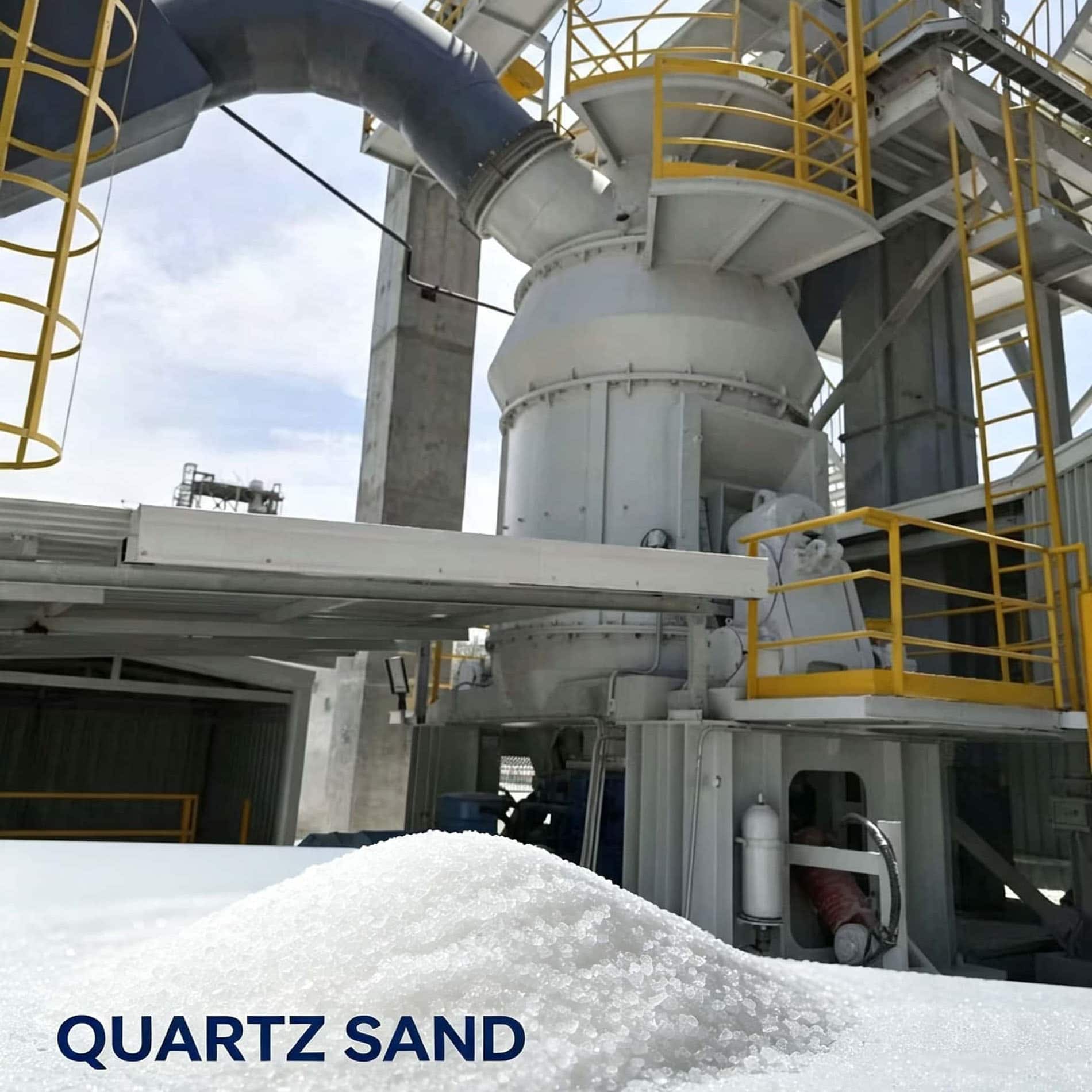
Why Vertical Roller Mills Are the Optimal Choice for Quartz Powder Processing?
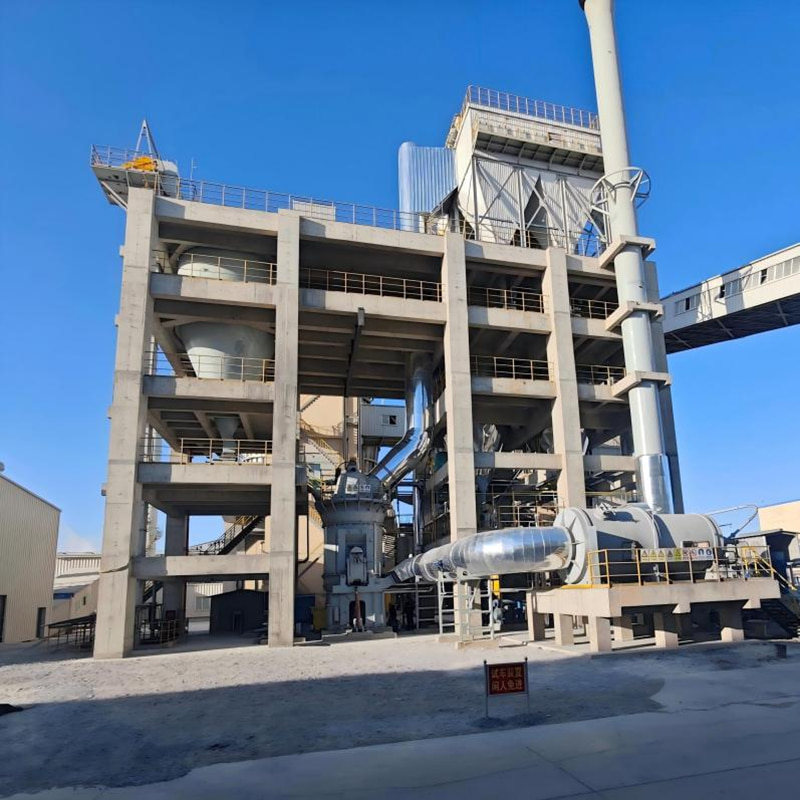
Coal Mill System for Gas-to-Coal Retrofit Project of Lime Kiln
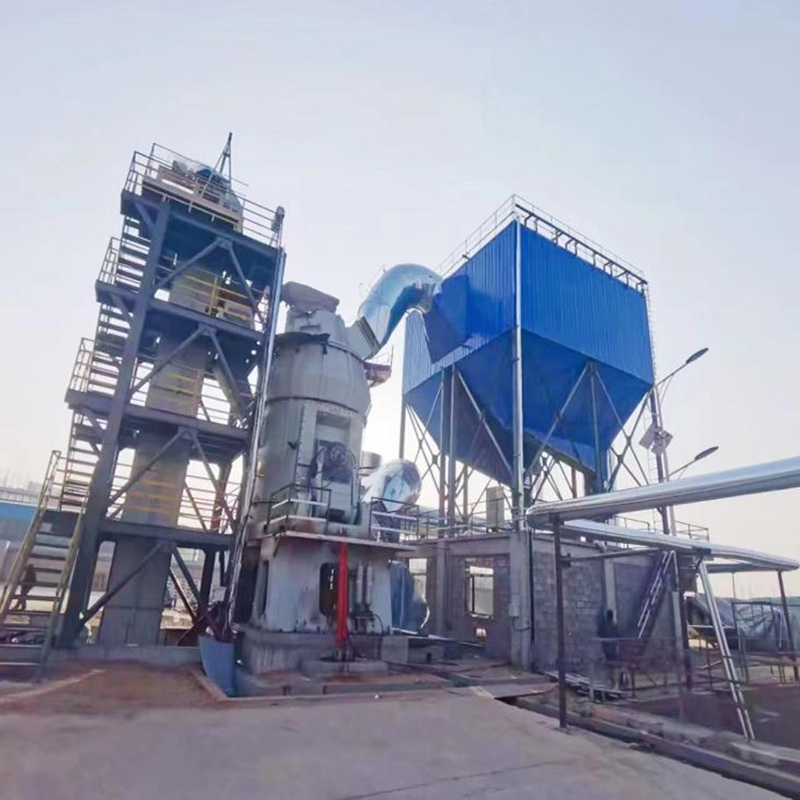
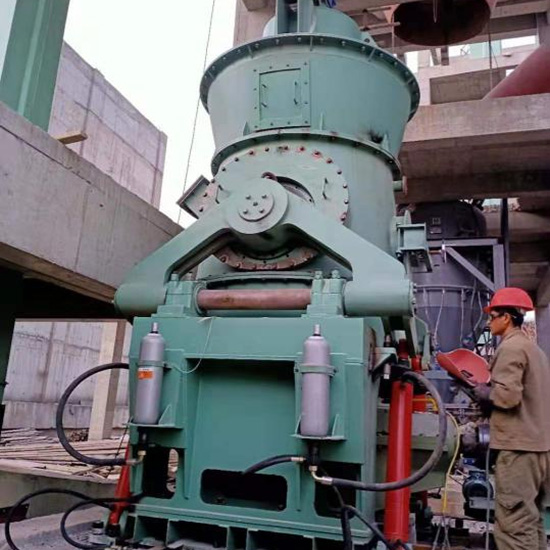
HVM2500X Vertical Roller Mill System
Active Lime Production Line
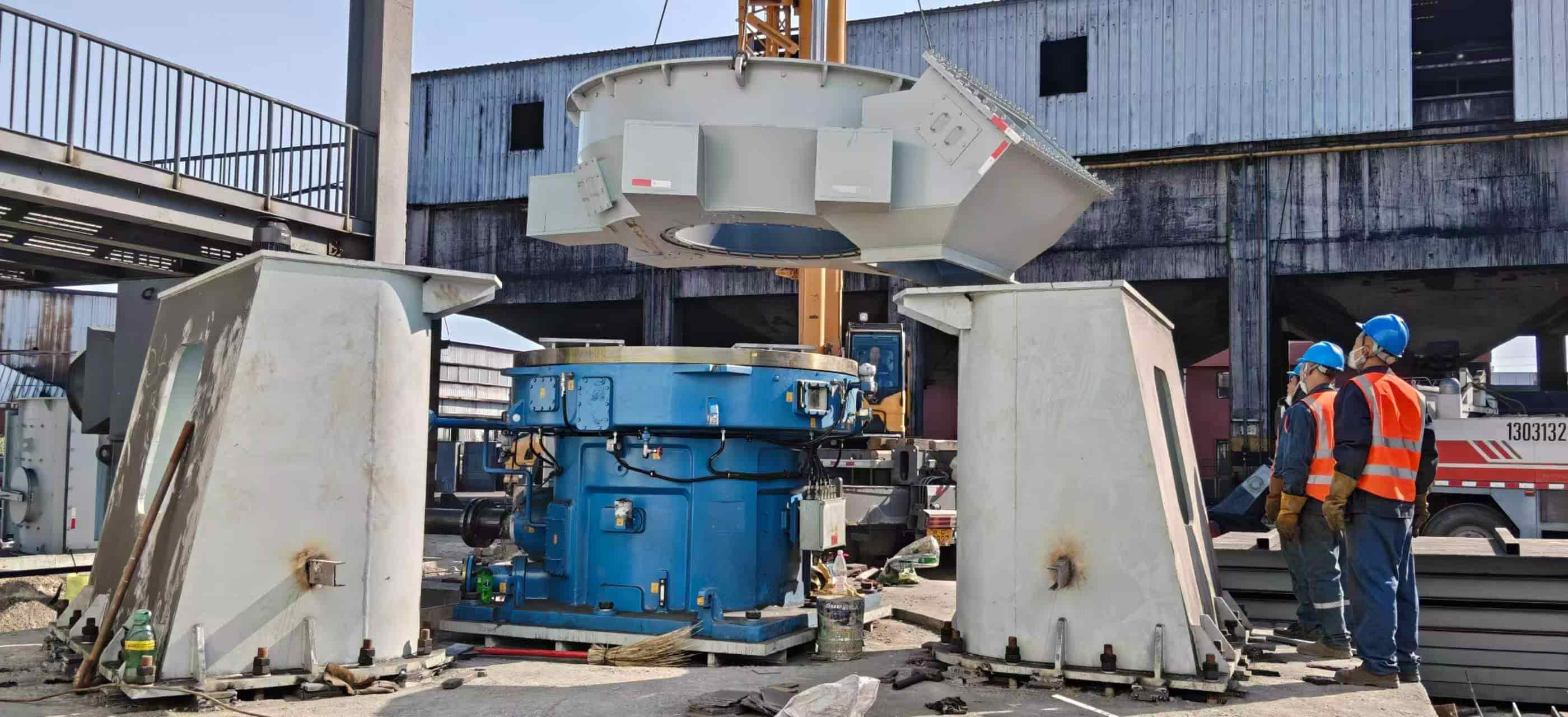
HVM2400M Vertical Coal Mill Casing Installation Underway — Xinjiang Industrial Silicon Reductant Fine Coal Pelletizing Project Key Facts - Location: Xinjiang, China - Project Type: Industrial silicon reductant fine coal pelletizing project - Core Equipment: 38t/h vertical coal mill, Model HVM2400M - Current Work: Installation of upper and lower casings - Status: In progress Summary At the construction site of an industrial silicon reductant fine coal pelletizing project in Xinjiang, installation of the upper and lower casings of a 38t/h vertical coal mill (Model HVM2400M) is underway. Large hoisting equipment is deployed in coordinated operation, and workers are aligning and fixing the casings in accordance with process requirements. All installation procedures are closely sequenced. The HVM2400M vertical coal mill is the core equipment of the fine coal pelletizing production line. Completion of the upper and lower casing installation lays the foundation for subsequent equipment commissioning and on-schedule project startup. Keywords HVM2400M; 38t/h vertical coal mill; upper and lower casing installation; industrial silicon reductant; fine coal pelletizing; Xinjiang; coal mill casing; equipment installation Contact Us For more information about the HVM2400M vertical coal mill or our fine coal pelletizing solutions, please contact us.
Learn More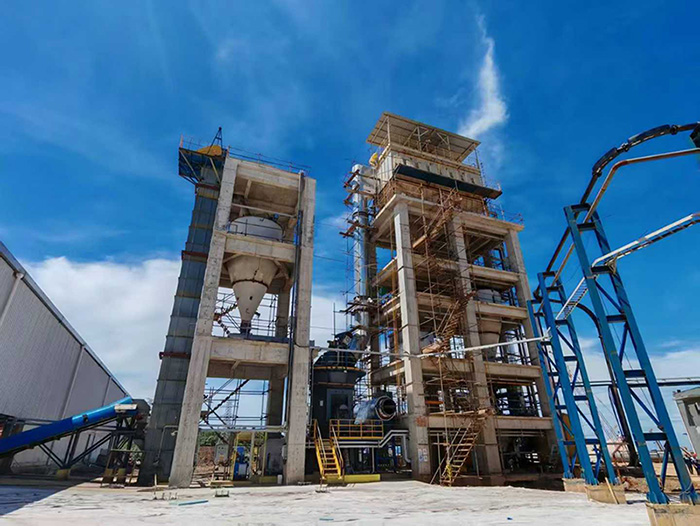
The main material type processed by our equipment is bituminous coal, with 85% passing through a 200-mesh screen. This system is designed to provide stable and efficient pulverized coal fuel for the lime kiln, playing a key role in the entire production process. The successful commissioning marks an important milestone for the project, demonstrating reliable technical execution and coordination under site conditions. The smooth operation of the system will help improve the production capacity and operational efficiency of the lime kiln plant on OBI Island.
Learn More
The Company has successfully secured the contract for the Coal Powder Preparation System and Quicklime Grinding System for the 2×600t/d Twin-shaft Lime Kiln Project in Kolwezi, Democratic Republic of Congo (DRC). The scope of work encompasses the engineering design and turnkey supply of equipment for one coal grinding system and one quicklime grinding system. This includes a 12t/h vertical coal mill system (product fineness: 90% passing 200 mesh) and a 3t/h quicklime grinding system (product fineness: 90% passing 200 mesh).
Learn More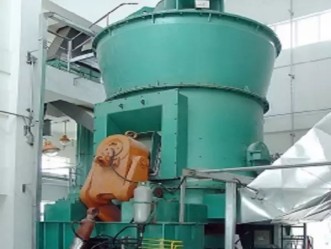
The Company Secures Contract for Quicklime Grinding System for Pomina's 600t/d Twin-shaft Lime Kiln Project in Vietnam The Company has successfully signed a contract with Pomina (Vietnam) for the supply of a Quicklime Grinding System for their 600t/d twin-shaft lime kiln project. The scope of work includes the engineering design and complete equipment supply for one (1) set of 3t/h quicklime grinding system (product fineness: 90% passing 200 mesh). As a technical renovation project located overseas, this project demanded exceptionally high standards in both engineering design and equipment manufacturing. Among numerous competing bidders, our company stood out with our scientific, rational, and professional engineering design, combined with our proven product quality, ultimately winning the client's trust and the contract award. This achievement marks a significant and encouraging milestone in the Company's journey toward international market expansion.
Learn More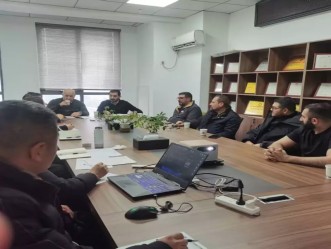
Recently, a seven-person delegation from an Iraqi company visited our company to conduct technical exchanges and inspect the equipment supply status for the signed natural gypsum vertical mill project. During the meeting, our technical team provided a detailed introduction to the structure and working principle of the vertical mill. Focusing on the customer's concerns regarding product fineness and capacity matching, we elaborated on this topic by drawing on our extensive industry experience and rich track record. Subsequently, using flowcharts and project drawings, we systematically explained the complete process flow from material inlet to outlet. The team addressed the customer's inquiries about warranty, after-sales service, and replacement cycles of wear parts, providing actual operational data from previous projects as reference. Additionally, we introduced the selection and branding of key components. After the meeting, both parties visited the production workshop together to inspect the progress of equipment manufacturing. This exchange enhanced mutual understanding and trust, laying a solid foundation for the smooth progress of the project.
Learn Moreleave a message
Wechat :


Whatsapp :

Home
Products
contact